

Are Home Medical Devices Safe? FDA & CE &ISO Certified
Introduction
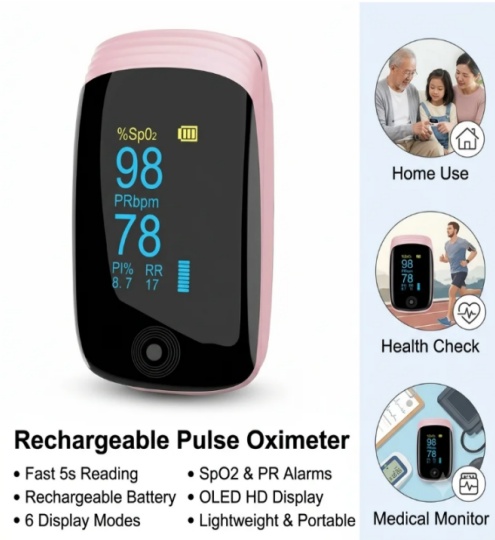
Home‑use medical devices such as blood‑pressure monitors, blood glucose meters and pulse oximeters are widely used for family‑based health monitoring. For cross‑border buyers, compliance status is one of the most critical factors before purchase. Many end‑users only recognize printed FDA, CE or ISO logos on device housing, without understanding the real regulatory meaning behind these marks. This article focuses purely on compliance knowledge of home medical devices, helping readers distinguish genuine valid certifications from misleading printed logos in global markets.
Disclaimer: This article shares regulatory and compliance information for reference only.
All devices mentioned are home‑use medical devices for auxiliary health monitoring, and cannot replace professional medical diagnosis or clinical treatment.Certification represents regulatory compliance, and does not guarantee specific test accuracy or medical performance.Users must strictly follow official manufacturer manuals. Improper operation may cause inaccurate readings or safety risks.
What FDA, CE and ISO Mean for Medical Device Compliance
FDA, CE and ISO are three well‑known compliance markers for home medical devices, yet they cover completely different regulatory scopes.
FDA clearance is United States market‑access compliance for medical devices. Most home monitoring devices belong to Class II, requiring 510(k) submission to prove substantial equivalence to legally marketed predicate devices. Logo printing alone does not equal FDA clearance.
CE marking under EU MDR regulation is mandatory for medical devices sold within European markets. For Class IIa / IIb home medical devices, certificates must be issued by authorized Notified Bodies, together with complete technical documentation and European Responsible Representative arrangements.
ISO 13485 is a quality‑system standard for medical‑device manufacturers. It governs production, risk management and quality control processes. It is factory‑level system certification, not a finished‑product approval. Many buyers confuse general ISO‑9001 with medical‑device ISO‑13485, which is a common compliance pitfall.
Why Compliance Status Matters for Home‑Use Medical Devices
Non‑compliant home medical devices bring multiple risks. Sensor calibration may be untested, leading to deviated monitoring data. Electrical safety, material biocompatibility and risk‑management files may be absent. Without regulatory review, product performance cannot be reliably verified.
Genuine compliant medical devices have passed corresponding regulatory evaluation. Product safety, performance standards and manufacturing systems meet regional legal requirements. In cross‑border e‑commerce, compliance status directly affects product market legitimacy, after‑sales risk and user trust. Buyers in overseas markets are increasingly paying attention to verifiable certification documents, not merely printed shell logos.
Practical Methods to Verify Medical‑Device Compliance
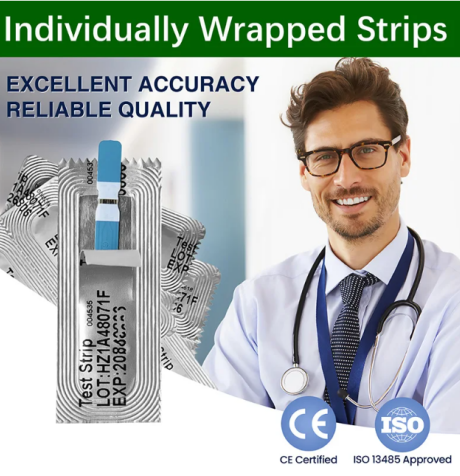
Many suppliers print CE and FDA graphics on product surfaces without holding valid corresponding certificates. Consumers cannot judge compliance only by product pictures on store pages.
First, request complete certification files, and check whether the certificate scope exactly matches the specific device model. Generic certificates covering unrelated product lines are invalid.
Second, confirm relevant regulatory background: EU products need valid European Responsible Representative information; US‑market devices should support FDA database lookup.
Third, watch out for low‑cost goods. Genuine regulatory compliance brings corresponding testing and document costs. Extremely low‑priced units are highly likely to lack full valid credentials.
Compliance‑Related Usage Notes
Even fully compliant home medical devices still require standardized operation. Compliance certification proves the product meets regulatory standards, but cannot eliminate user‑operation errors.
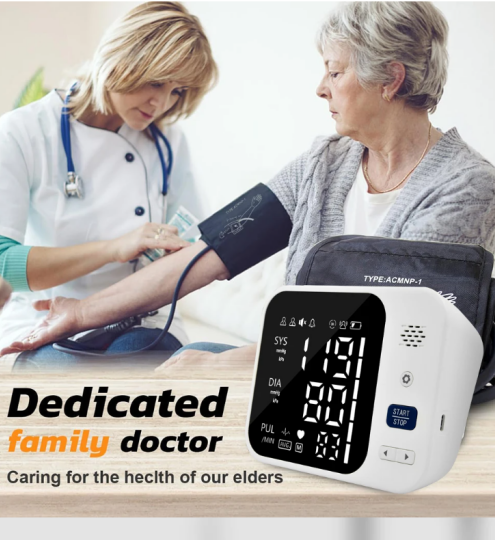
Operate strictly according to official instructions. Regular calibration is required for monitoring equipment such as blood‑pressure meters and glucose meters. Keep complete original labels and manufacturer documentation. Stop using immediately if abnormal readings or hardware faults occur. Do not modify hardware structure by yourself, which will invalidate compliance validity.
Compliant VS Non‑Compliant Home Medical Devices
There are essential gaps between regulatory‑compliant home medical devices and non‑compliant ones.
Compliant units follow regional medical‑device rules. They have finished‑product testing, risk assessment and complete technical files. Production runs under ISO‑13485 quality‑system control. They can legally circulate in target markets, with traceable manufacturer responsibilities.
Non‑compliant devices only copy certification patterns on appearance. No finished‑product regulatory assessment has been performed. Testing data and technical files are missing. Such products face market removal risks and bring hidden hazards for end‑users. For household health monitoring scenarios, verified compliant products should always be prioritized
Conclusion
Compliance is the core foundation for home medical devices. FDA, CE and ISO each undertake different regulatory functions and should not be simplified as mere decorative marks on product shells.
Drawing on practical industry experience, this article sorts out compliance facts for reference. Minor oversights may still exist, and we appreciate your understanding for any inaccuracies.




Add a review
Your email address will not be published. Required fields are marked *